Animation Magic: The Power of Visual Storytelling
Discover how animation turns ideas into emotion, blending art and technology to craft unforgettable stories that move, teach, and inspire audiences.
The Spell of Animated Storytelling Animation transforms simple lines and shapes into living ideas, turning imagination into experience through the power of visual storytelling. Unlike text alone, it speaks in color, motion, and rhythm, communicating across languages and cultures with immediate emotional clarity. A character sighing, a leaf drifting, a shadow growing longer at dusk—these are visual cues that carry meaning without a single word. By blending symbolism with expressive design, animation compresses complex feelings into moments that feel both intimate and universal. It can bend time, stretch space, and invite audiences to occupy perspectives they might never encounter otherwise. In entertainment, this becomes a kind of narrative alchemy, turning the abstract into something we can see and feel. The magic of animation lies in how it makes the invisible visible, how it nudges the heart with emotion-first storytelling, and how it guides the eye so the mind can dream. That is why animated stories linger long after the screen fades.
Characters That Breathe Memorable animation begins with characters who feel alive, not just illustrated. Through silhouette clarity, gesture, and eye direction, animators craft personalities that communicate before a single line is spoken. A confident stride, a nervous fidget, the angle of a glance—these details broadcast motivation and emotion with elegant efficiency. Strong design choices, like shape language that echoes inner values, help audiences recognize who a character is the instant they appear. Flaws make them lovable, contradictions make them intriguing, and consistent character arcs make them unforgettable. When animators align performance, timing, and staging, characters seem to think on screen, reacting to the world with a logic that feels human. Sound design and music amplify this presence, reinforcing mood and intention. In entertainment, such vivid personalities create attachment and anticipation, encouraging viewers to return again and again. The result is empathy in motion—figures of ink, pixels, or clay who somehow become friends, rivals, and guides.
Worlds That Invite Exploration Animation excels at world-building, shaping places where the rules of reality can be tuned to serve the story. Through color scripts, lighting, and texture, artists convey climate, culture, and emotion in a single frame. A seaside village can glow with warm hues to suggest safety and belonging, while a neon-soaked alley can hint at risk, secrecy, and momentum. Scale and composition guide the eye, turning environments into narrative partners rather than mere backdrops. Even the physics of a world—how objects float, bounce, or crumble—can echo the story's themes. Thoughtful production design extends to props and costumes that carry history, status, and intention. When every object has purpose and every vista reveals character, audiences feel invited to explore, to pause, to notice. This immersive attention to place anchors the entertainment experience, making settings feel worth revisiting. Ultimately, animated worlds gain credibility through cohesive visual logic, where each detail quietly says you belong here, keep looking, there is more to discover.
Movement as Meaning In animation, movement is not merely motion—it is meaning. The difference between a brisk step and a hesitant shuffle can tell a full story beat. Principles like timing, spacing, anticipation, follow-through, and squash and stretch turn drawings or models into palpable life. A character poised a moment longer builds tension; an overshoot followed by a settle conveys weight and thought. Even in abstract sequences, rhythm and easing set emotional tempo, guiding how we feel about what we see. Props, hair, and clothing provide secondary action that deepens believability without stealing focus. Across entertainment formats, choreographed movement underscores comedy, sharpens drama, and magnifies awe. The camera becomes a dance partner too, using staging and parallax to reinforce intention. When animators treat every frame as a choice and every choice as a message, the result is kinetic storytelling that the audience can sense in their bones—stories you can almost touch.
Blueprints of a Visual Narrative Behind every dazzling sequence lies a blueprint of story structure tuned for the eye. Storyboards map intent, animatics test rhythm, and editing sculpts emotional flow. Visual setup and payoff reward attention, while foreshadowing plants clues in color, framing, or a recurring motif. Clever transitions—like match cuts and wipes—carry us through time and space without confusion. Composition places the most important idea at the point of attention, and contrast ensures it stays there. Montage compresses time to show growth, while slow, lingering shots invite contemplation. Dialogue supports, but images lead, because audiences remember what they see more readily than what they hear. In entertainment, this orchestra of choices makes pace feel effortless and moments feel inevitable. When creators align theme, character, and image, the result is coherent storytelling where every visual element collaborates. The screen becomes a page the eyes read fluently, each shot a sentence, each sequence a chapter.
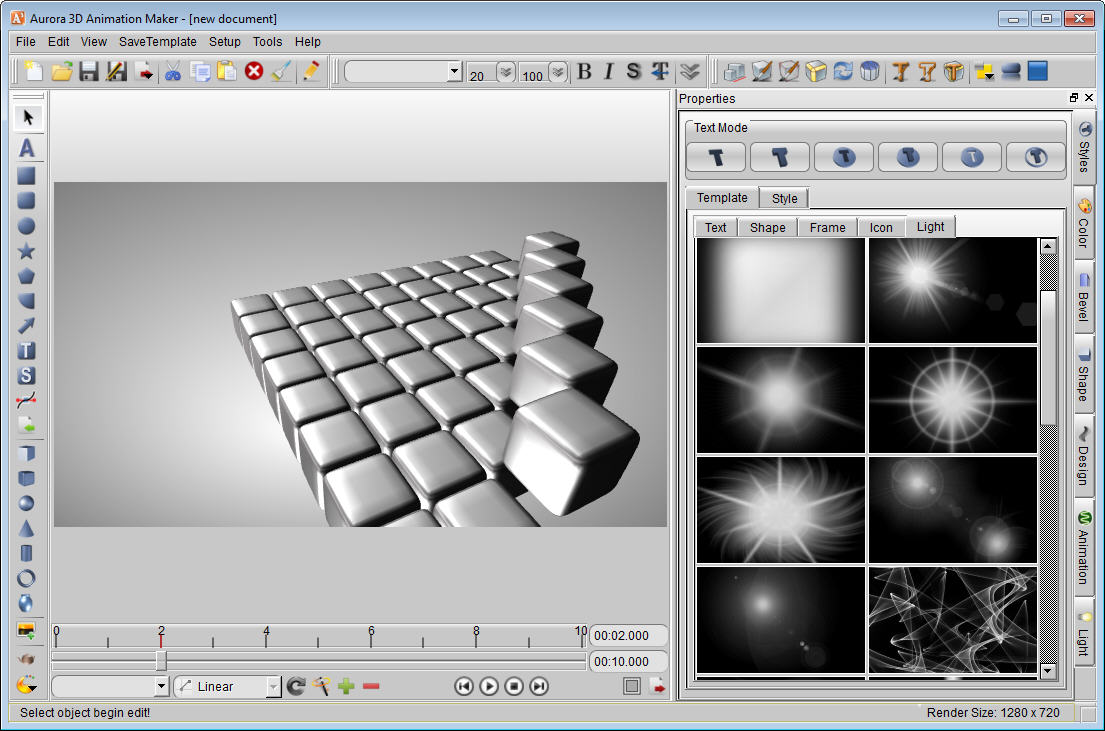
Craft, Technique, and Evolving Tools Animation is a fusion of artistic instinct and technical discipline. From hand-drawn finesse to 3D rigging, from stop-motion texture to hybrid pipelines, each technique offers unique expressive power. Preproduction sets the course with concept art, layout, and design bibles that keep teams aligned. Production turns plans into performance through modeling, rigging, blocking, and polish, while compositing integrates layers into a cohesive final image. Constraints—limited time, stylized budgets, or minimal assets—often spark ingenious choices, proving that creativity thrives on limitation. Real-time workflows and procedural tools now enable faster iteration, keeping curiosity and experimentation at the heart of the process. Yet the core remains constant across the entertainment landscape: intention, clarity, and craft. Technology is a brush, not the painting. When technique serves story and tools bend to taste, animation retains its human pulse, delivering images that feel handcrafted even when pipelines are complex.
Connection, Culture, and What Comes Next Animation's greatest power is empathy. By simplifying reality, it highlights truth, inviting audiences across cultures and ages to connect through shared emotion. In entertainment, that reach extends from feature epics to short-form gems, from heartfelt series to experimental vignettes. The same visual literacy that delights also educates, clarifies complex ideas, and welcomes diverse perspectives. As interactive storytelling, real-time rendering, and virtual production grow, viewers move from passive watching to participatory experiences, deepening engagement. Accessibility features, thoughtful design, and global voices are expanding who gets to be seen and heard. Yet the compass remains steady—story first. Technology can open doors, but it is the human spark that invites us in. The future of animation looks less like a single path and more like a living ecosystem, where craft, culture, and curiosity keep cross-pollinating. That is the enduring magic of visual storytelling, always evolving, always reaching, always alive.