Beginner Home Workouts That Actually Work
Kickstart your fitness at home with simple no-equipment routines, clear progressions, and a weekly plan to build strength, mobility, and consistency.
Start Smart. Beginner home workouts succeed when you lower the barrier and raise your consistency. Set a simple schedule you can actually keep, like a short session most days, and anchor it to an existing habit using habit stacking. Clear a small space, lay out a mat or towel, keep water nearby, and silence distractions so your environment nudges you to move. Begin with a baseline check-in: how your joints feel during gentle marching, whether you can breathe through your nose comfortably, and how steady you feel during a slow squat to a chair. Prioritize form over intensity, focusing on smooth breathing, controlled tempo, and pain‑free ranges of motion. If you are new to movement or returning after a break, keep the first week light and curious. Think practice, not punishment. A few well-chosen moves done well build confidence, protect joints, and create momentum. Remember the golden rule: consistency beats perfection. Show up, move with intention, and let small wins compound into lasting change.
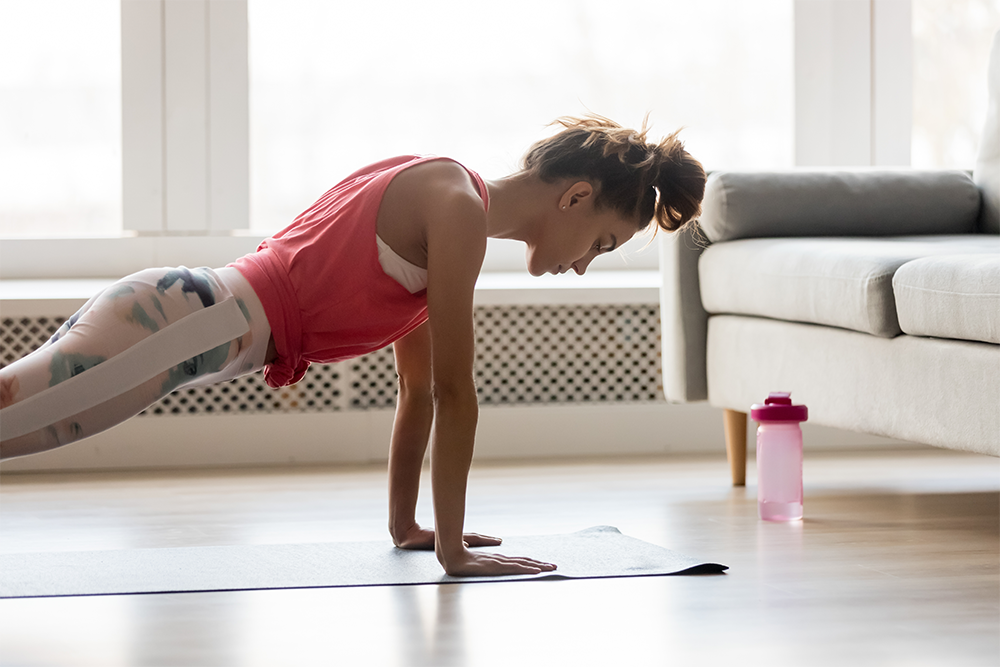
Warm-Up Essentials. A purposeful warm-up turns a sluggish start into a focused session by raising body temperature, awakening the nervous system, and easing stiff joints. Spend a few unhurried minutes on dynamic movements, not long static holds. Begin with neck nods and gentle rotations, progress to shoulder rolls and arm circles, then flow into cat‑cow or spinal waves to mobilize the back. Add hip circles, leg swings near a wall for balance, and ankle rocks to prep the lower body. March in place with coordinated arm swings, practice a light hip hinge to groove good mechanics, and finish with glute squeezes or a few tall‑kneeling breaths to engage core bracing. Keep posture tall, ribs down, and breathing smooth. If mobility is limited, use a countertop or chair for support and shorten ranges. The goal is to feel warmer, looser, and more alert, not exhausted. When your joints feel oiled and your breath steady, you are truly ready to work.
Strength Foundations. Build your routine around simple, scalable patterns: squat, hinge, push, pull, and carry, with core stability woven throughout. Start with a squat to a sturdy chair, aiming for knees tracking over mid‑foot and a tall chest. Practice the hip hinge by tapping your hips back toward a wall, keeping a neutral spine. For pushing, use wall or counter push‑ups, gradually lowering the incline as strength improves. For pulling, perform a towel row around a secure post or use a backpack as resistance while hinging—always confirm anchors are solid for safety. Add glute bridges for posterior chain strength and a forearm plank for bracing. Emphasize slow tempo, full but comfortable range of motion, and relaxed, rhythmic breathing. Structure a simple circuit with generous rest so technique stays crisp. These moves build joint resilience, balanced muscle, and everyday capability, turning daily tasks—like lifting groceries or climbing stairs—into easier, more confident efforts.
Cardio That Fits. Effective home cardio does not require equipment or high impact. Choose options that feel friendly and repeatable: brisk marching, step‑touches, stair climbs, shadowboxing, or a lively dance flow. Use the talk test and RPE (rate of perceived exertion) to guide intensity: you should speak in short sentences during moderate work and only a few words during harder bursts. Try gentle intervals by alternating focused movement with easy recovery, keeping footfalls light and posture tall. Shadowbox with quick jabs, then stroll the room; march with strong arm drive, then sway and breathe. Protect joints with soft surfaces and progressive build‑ups, and favor low‑impact choices if jumping bothers you. If you enjoy variety, rotate between short, punchy sessions and longer, steady efforts to train both stamina and heart health. Cardio that fits your space, schedule, and mood is cardio you will actually do—and that makes it truly effective.
Progress That Lasts. The engine of beginner success is progressive overload applied with patience. Nudge difficulty by adding reps, sets, or time; deepening range of motion; slowing tempo; inserting pauses; or advancing leverage, such as lowering the incline on push‑ups. Explore unilateral variations—split squats or single‑arm rows—to challenge stability and reveal imbalances. Track workouts in a simple log so you can celebrate micro‑wins like a steadier plank or a smoother squat. Use RPE or reps in reserve to auto‑regulate effort and keep 1–3 solid reps left on most sets, saving all‑out pushes for occasional tests. If energy dips or technique frays, schedule a lighter phase to recover. Support progress with basic pillars: adequate sleep, steady hydration, and balanced meals that include protein and colorful produce. Keep expectations realistic and behaviors specific—what gets measured gets improved, and what gets repeated transforms into capability.
Recover and Stay Consistent. Training changes your body during recovery, so protect it with thoughtful cooldowns and daily movement. After sessions, downshift with slow walks, gentle breathing, and short stretches for hips, chest, and calves to restore calm and range. Sprinkle mobility snacks—brief movement breaks—throughout the day to undo desk stiffness. Learn the difference between normal soreness and sharp pain; back off and seek qualified guidance if something feels wrong. Plan rest days or active recovery to keep joints happy and motivation high. Build adherence with environment cues, a visible calendar, and small rewards for streaks. Recruit an accountability partner or family member, rotate playlists, and refresh your routine before boredom arrives. When life gets hectic, use micro‑sessions of five to ten minutes; frequency keeps the habit alive. Think identity first—be the person who moves daily—and let that mindset carry you through plateaus. Consistency, compassion, and curiosity make home workouts stick.