Build an Emergency Fund You Can Rely On
Set up a safety net that actually works. Learn how much to save, where to keep it, and simple steps to build and protect a rock-solid emergency fund.
Define the Mission: An emergency fund is a dedicated cash buffer that shields you from unexpected expenses and income disruptions, helping you avoid high-interest debt when life takes a sharp turn. Think of it as financial armor: it covers a surprise car repair, an urgent dental bill, a pet emergency, a sudden move, or a brief job gap without derailing your budget or long-term goals. The purpose is not to fund planned purchases or fun splurges but to protect your essentials and your peace of mind. Keeping this money separate from everyday spending reduces temptation and provides a clear signal: this pool exists for stability. When you can tackle a crisis with savings instead of credit, you reduce future payments, fees, and stress. Framing it as your personal safety net helps you stay motivated through the slow, steady process of building it. The result is confidence, flexibility, and the freedom to make calmer decisions when pressure is high.
Size Your Safety Net: Determine how much to save by focusing on essential expenses—the costs that keep your life running even in a storm. Start by listing housing, utilities, groceries, transportation, insurance premiums, childcare, and minimum debt payments. Add any non-negotiables tied to your health, work, or safety. Many people aim for a runway of several months of essentials, but your ideal number depends on income stability, household size, and backup resources. If you're just getting started, set a starter goal equal to a single month of core bills, then build in layers. Freelancers, commission earners, or single-income households may benefit from a larger cushion due to variable income. Convert your target into a weekly or per-paycheck amount so you can track milestones and feel progress. Revisit the figure periodically as your costs shift; a practical, personalized target is more motivating—and more reliable—than a guess.
Choose the Right Home: Park your emergency fund where liquidity, safety, and low risk come first. A separate savings or money market account keeps the fund accessible for true emergencies while encouraging everyday distance from your spending habits. Aim for an account that's easy to reach in a pinch yet not so convenient that you'll tap it for impulse buys; turning off debit access or avoiding check-writing features can help. Prioritize insured accounts at reputable institutions and avoid tying this money to the stock market or volatile assets, where value can swing just when you need stability most. Keep the fund distinct from your checking account to maintain psychological boundaries and clearer tracking. If your balance grows large, you might spread it across a couple of accounts to manage access limits, but simplicity usually wins in a crisis. The goal is low volatility, quick access, and a structure that supports smart behavior when stress is high.
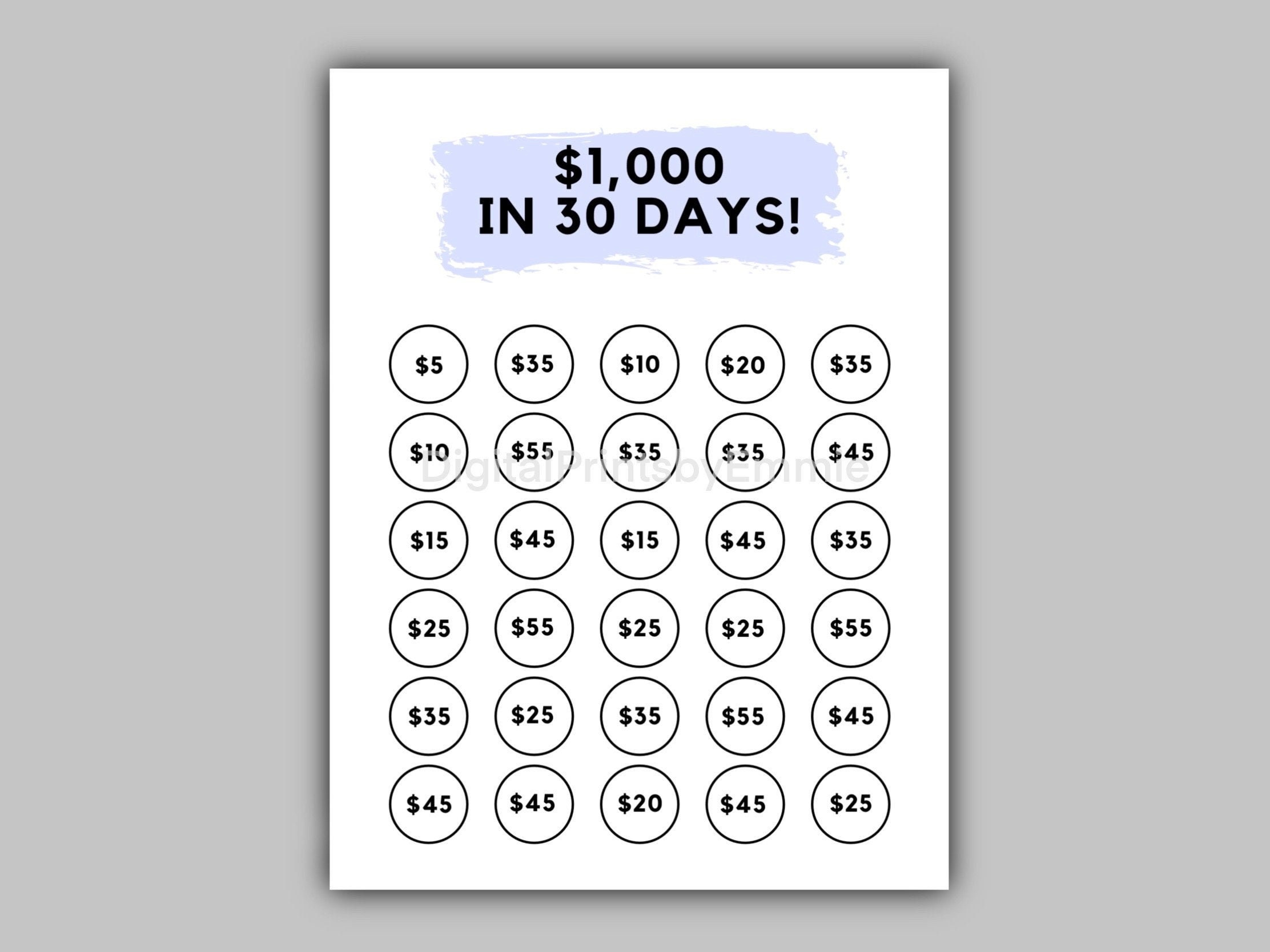
Make Saving Effortless: Build momentum by making contributions automatic and consistent. Pay yourself first with automatic transfers scheduled for payday, or split your direct deposit so a slice lands in your emergency account before you can spend it. Add small boosters: round up daily purchases to the next dollar and move the difference, sweep leftover cash at month's end, and earmark windfalls like bonuses, refunds, or cash from selling unused items. Reduce friction by trimming recurring costs—cancel or downgrade subscriptions, negotiate bills, meal plan, or switch to cost-effective habits—and redirect the savings. If feasible, add side income through occasional gigs or freelance tasks, then send a fixed percentage directly to your fund. Gamify the process with mini-challenges, no-spend weeks, or milestone rewards that don't cost money. Track your progress visibly so every deposit feels like a win. The key is to transform saving from a decision you wrestle with into a routine you rarely notice.
Use It Wisely and Refill Fast: Protect your fund by defining clear rules for spending it. Reserve withdrawals for true emergencies: urgent medical care, job loss or reduced hours, essential car or home repairs, or immediate safety concerns. Skip using it for vacations, sales, or gifts; those are wants, not needs. When possible, apply a short pause rule—take a breath, confirm the expense is necessary, and compare alternatives—unless time is critical. Withdraw only what you need, then create a plan to replenish quickly: temporarily raise your transfer amount, divert extra income, or trim non-essentials until the balance is restored. Document each withdrawal and note the reason; patterns help you refine your boundaries and budgeting. Reduce temptation by keeping cards off the account and burying it from everyday banking views. Smart use plus swift refills ensures your safety net stays strong, so one setback doesn't leave you exposed to the next.
Keep It Strong Over Time: Treat your emergency fund like a living system that needs maintenance. Schedule periodic reviews to confirm your target still matches your life—new housing costs, a growing family, a career change, or rising prices can all warrant adjustments. As your skills and income evolve, you may want a bigger buffer for added resilience, or you might redirect surplus into debt payoff or long-term investing once you've exceeded your comfort threshold. Stress-test your plan: imagine a major car repair and a temporary income gap happening together—would your current setup hold? Consider deductibles on insurance policies and ensure your fund can comfortably cover them. Keep your savings process efficient, your account separate and accessible, and your motivation alive by celebrating milestones. Most importantly, stay consistent. A steady habit, even at modest amounts, builds a durable cushion that turns financial surprises into manageable inconveniences—not crises.