Build Strength Anywhere: Mastering Bodyweight Training
Build real-world strength using only your body. Learn progressive calisthenics, smart programming, and mobility drills you can do anywhere, anytime.
Foundations: Why Bodyweight Training Works Anywhere
Bodyweight training thrives on simplicity and consistency, turning any space into a strength-building arena. Without relying on equipment, you harness leverage, gravity, and full range of motion to develop muscle, coordination, and joint resilience. Movements like push-ups, squats, lunges, bridges, planks, and hollow holds integrate multiple muscle groups, teaching your body to move as a harmonious unit. This enhances core stability, posture, and everyday performance while minimizing barriers to entry. Because you can adjust tempo, stance, elevation, and repetition targets, you can tailor intensity to match your fitness level and goals. The real advantage is adaptability: you can train at home, in a park, or in a hotel room, structuring efficient sessions that fit busy schedules. With attention to form, breathing, and controlled time under tension, you can cultivate strength, endurance, and mobility in a sustainable way. Bodyweight training encourages skill development alongside muscle, building capability you can carry anywhere.
Principles: The Levers of Sustainable Progress
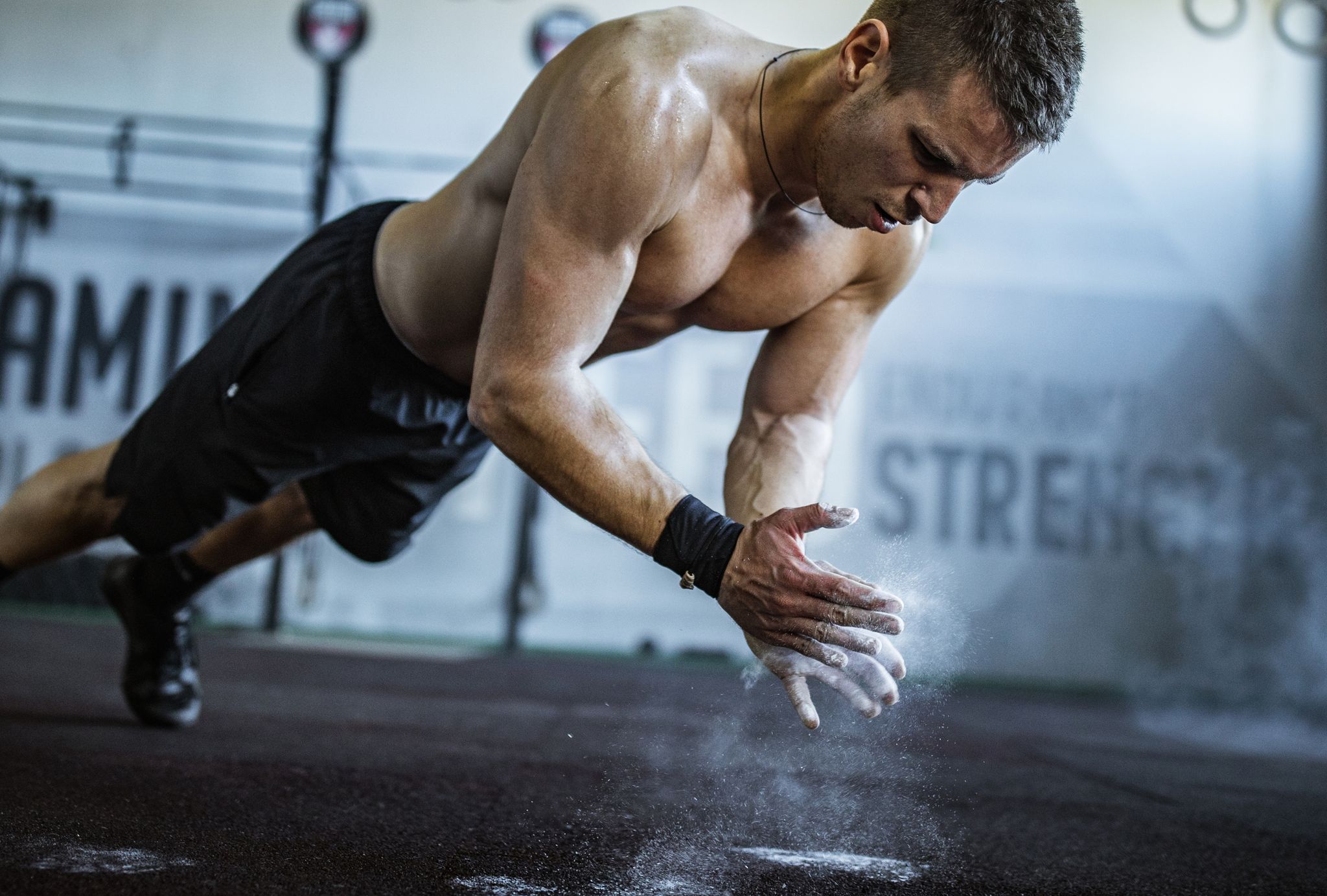
Effective bodyweight training rests on timeless principles that reliably produce gains. First is progressive overload: gradually increase demand through more reps, sets, reduced rest, slower eccentrics, longer pauses, or more challenging leverage. Second is quality range of motion, which deepens strength through the full arc of a movement while supporting joint health. Third is tempo control; emphasizing deliberate lowering phases and brief isometric holds boosts mechanical tension without adding equipment. Fourth is skill practice: complex moves like handstands, single-leg squats, or advanced core holds improve neuromuscular efficiency, translating to greater strength. Manage fatigue with smart auto-regulation—stop a set when technique slips, leaving a rep or two in reserve. Organize training density with circuits, ladders, or time caps to elevate work capacity safely. Above all, prioritize crisp technique: maintain a braced core, engage the scapulae appropriately, track knee and hip alignment, and breathe rhythmically to fuse power with control.
Movement Patterns: Building a Balanced, Capable Body
A durable, athletic body emerges from mastering fundamental patterns and balancing them across sessions. For pushing, build from incline push-ups to strict floor variations, then progress to declines or ring work for leverage challenges. For pulling, practice bodyweight rows on a stable horizontal surface or bar, escalate angle difficulty, and pair with scapular retractions to fortify the upper back. In squatting, groove depth and stability with air squats, then explore split squats, step-ups, and eventually single-leg progressions. For the hinge, use glute bridges, hip thrusts, and single-leg hinges to strengthen posterior chain mechanics. Core training should cover anti-extension, anti-rotation, and anti-lateral flexion with planks, side planks, dead bugs, and hollow-arch variations. Integrate gait elements such as crawls and marches to coordinate the entire kinetic chain. By viewing each session through the lens of patterns rather than isolated muscles, you develop symmetry, reduce overuse risk, and create transferable, real-world strength.
Progressions and Scaling: From Accessible to Advanced
Every movement can be scaled to meet you where you are and carried forward as you grow. Modify leverage to change intensity: elevate hands for push-ups, reduce incline over time, then advance to decline, archer, and pseudo-planche positions. Apply eccentrics and isometrics—slow negatives and top or bottom holds—to build control and resilience. Use range blocks and partials, expanding depth week by week until full range is comfortable. Shift to unilateral work, like Bulgarian split squats or single-leg hinges, to create significant stimulus with minimal equipment. For pulling, increase body angle in rows or use a lower bar for a steeper challenge, always prioritizing scapular rhythm. Practice pistol squat progressions with box targets and counterbalance, then gradually reduce assistance. For the core, progress from stable planks to RKC planks, hollow rocks, and controlled hanging variations when available. These tools ensure continuous, measurable improvement without compromising form or joint health.
Programming: Simple Structures That Deliver Results
A clear plan turns good exercises into great outcomes. Start with a brief warm-up—joint circles, light marching, and dynamic mobility—then include activation like glute bridges and scapular push-ups. For general strength, use three to five movements covering push, pull, squat, hinge, and core. Try sets across (for example, 4–6 sets of moderate reps), ladders (1–2–3–2–1), or EMOM-style density work to build workload with control. Keep most sets at a manageable effort, reserving the hardest pushes for the final set when technique remains crisp. Track volume, tempo, and rest to calibrate progression; add a rep, slow the eccentric, or shorten rest to nudge intensity upward. Sprinkle in skill practice for handstands or balance after strength work, when you are warm but not overly fatigued. End with mobility and easy breathing to downshift the nervous system. Consistency, not variety for its own sake, drives the strongest, most reliable gains.
Recovery, Mobility, and Mindset: The Long-Game Advantage
Strength flourishes when recovery habits support the work. Prioritize sleep, hydration, and balanced nutrition to fuel training and tissue repair. Use gentle daily mobility—hip openers, thoracic rotations, ankle work—to maintain comfortable ranges, and add brief tissue prep like light self-massage if it helps you feel ready. Respect auto-regulation by adjusting sets or tempo when life stress is high, and schedule occasional deloads to consolidate progress. Balance sessions by pairing pushes with pulls and including posterior chain focus to keep shoulders, hips, and knees happy. Track clear metrics—total reps, best sets, longest holds, or total time under tension—so each session advances the story. When plateaus arrive, refine technique, vary leverage, or tweak density before chasing novelty. Finally, cultivate a growth mindset: celebrate small wins, show up with intent, and let mastery unfold. Bodyweight strength is a craft—patient, portable, and profoundly empowering.