Decoding Food Labels: What to Look For at the Grocery Store
Confused by nutrition labels? Learn how to scan serving sizes, ingredients, sugars, fats, sodium, and claims to shop smarter and eat well.
Serving Sizes and Calories
Decoding food labels starts with the serving size, because it shapes every number that follows. If a container lists multiple servings per container and you plan to finish it, remember to multiply the calories, sodium, and added sugars by that amount. Many snacks and drinks look single-serve but hide two or more servings. Consider how the labeled portion compares to your usual plate or cup. To understand energy density, note that foods higher in fat and refined starch deliver more calories in smaller volumes, so a handful of chips can outpace a larger serving of fruit or vegetables. The unit listed—cups, grams, or pieces—helps you visualize what you'll actually eat. Be especially mindful with condiments, dressings, and sweetened beverages; their serving sizes are often small, and a generous pour can quickly double your intake. Pre-portioning multi-serve packages or choosing single-serve items can make label math simpler and help align your choices with your health goals.
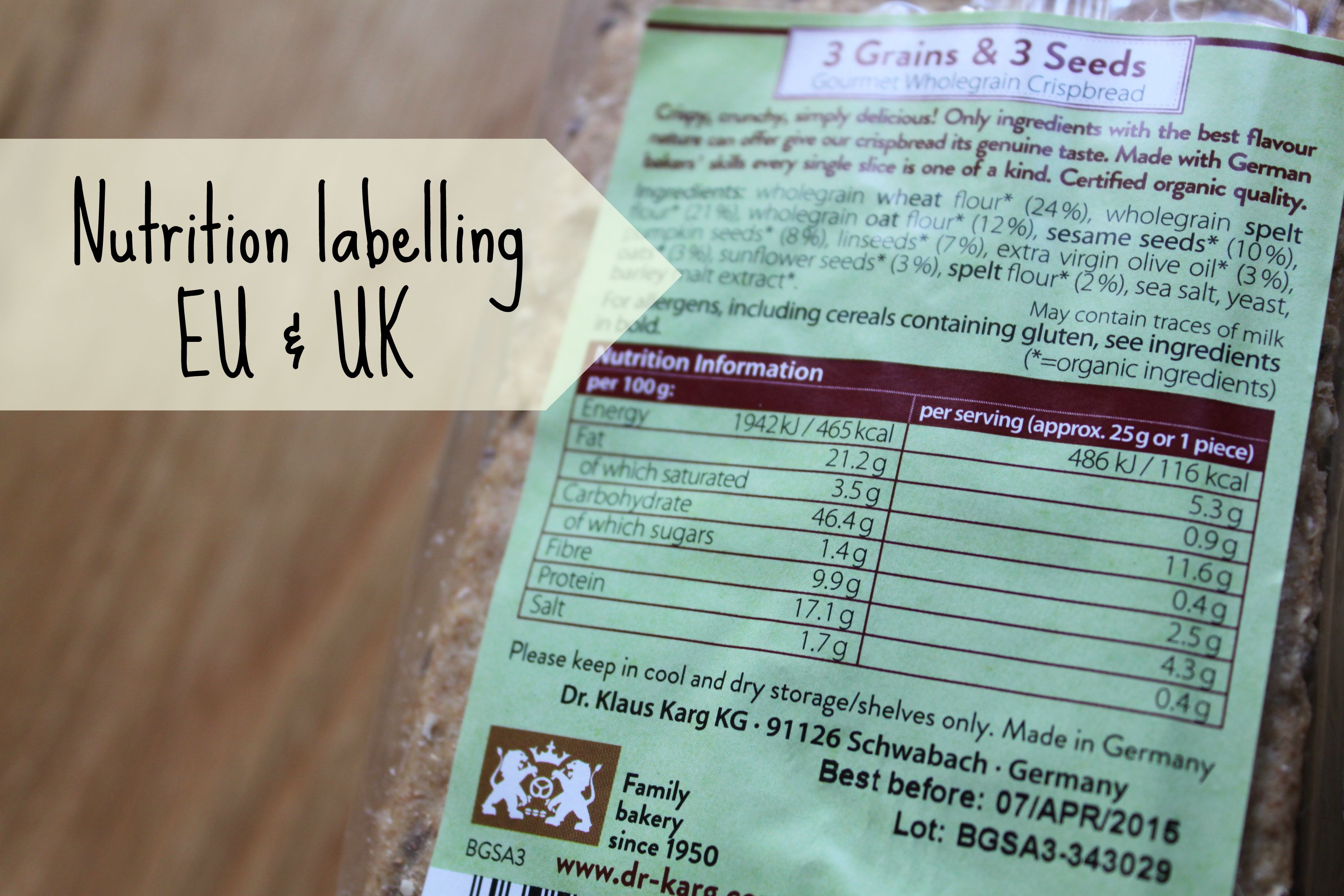
Fats, Carbs, and Protein That Matter
The macronutrient section reveals how a food fuels you. For fats, prioritize unsaturated fats from nuts, seeds, olive oil, and fish, and limit saturated fat found in fatty meats and certain tropical oils. Steer clear of trans fat; even if the panel lists 0 grams, a small amount may be present if the ingredients include partially hydrogenated oils. Carbohydrates tell a deeper story: dietary fiber supports gut health and satiety, while added sugars can spike calories without meaningful nutrition. Compare products by fiber-to-sugar balance and aim for more fiber with minimal added sugars. Under carbohydrates, watch for sugar alcohols if you're sensitive, as they can cause digestive discomfort for some people. Protein contributes to fullness and muscle maintenance; look for quality sources like legumes, dairy, fish, and lean meats. Remember that protein claims on bars or shakes can mask high added sugar or sodium, so always cross-check the full panel and ingredients to confirm a balanced, nutrient-dense choice.
Sodium, Sugars, and Percent Daily Value
The percent Daily Value (%DV) helps you gauge whether a nutrient is low or high in a serving. As a quick guide, around 5% DV is considered low and around 20% DV is high. For sodium, many packaged foods creep up in milligrams quickly across meals; compare similar items and favor lower-sodium versions to support heart health. With added sugars, scan both grams and %DV to see how much room they leave in your day. Keep in mind that foods naturally containing sugar, such as plain dairy or fruit, differ from products with added sweeteners. Balance also matters for positive nutrients: higher %DV of fiber, potassium, calcium, and iron can strengthen your overall diet quality. Your context counts—athletes may need more electrolytes and carbohydrates, while those managing blood pressure might emphasize sodium control. Use the %DV as a simple scoreboard: aim low for nutrients to limit, and aim higher for nutrients that support long-term health.
Ingredients, Quality Cues, and Allergens
The ingredients list tells the real story. Ingredients appear in order by weight, so the first few carry the most influence. Look for whole grains—ideally with the word whole leading the grain name—rather than refined flours. Shorter, recognizable ingredient lists often indicate less processing, though simplicity alone doesn't guarantee a healthier choice. Scan for sneaky sugars that show up under many names, such as cane sugar, brown rice syrup, maltose, dextrose, or fruit juice concentrates. Note the types of oils; options rich in unsaturated fats are generally preferable to those higher in saturated fat. If you manage allergies or intolerances, read every line carefully and look for allergen statements that flag milk, eggs, wheat, soy, peanuts, tree nuts, sesame, fish, and shellfish. Also consider may contain or processed in a facility statements if cross-contact is a concern. For those following specific patterns—such as gluten-free—verify both the ingredient list and any relevant certification to align with your needs.
Claims, Certifications, and Smarter Comparisons
Front-of-pack buzzwords can be enticing, but the nutrition facts and ingredients list should drive your decision. Terms like natural, light, or multigrain can be vague; confirm the claim by checking the actual nutrients and whether the grains are truly whole. Low-fat items may include extra sugars or starches for taste, and no added sugar does not mean sugar-free—it may still contain naturally occurring sugars. Certifications such as organic or non-GMO speak to production methods, not necessarily to sodium, sugar, or overall nutrient quality. Make side-by-side comparisons: choose yogurt with less added sugar and more protein; select cereals and breads with meaningful fiber and whole grains as the first ingredient; opt for soups and sauces with lower sodium and minimal added sugars. When in doubt, build meals around minimally processed foods and use packaged options to fill gaps. Smart label reading turns marketing into measurable choices that support sustainable, everyday health.