Gut-Friendly Nutrition: Foods That Support Your Microbiome
Nourish your gut with fiber-rich plants, fermented foods, and smart habits that balance your microbiome, boost immunity, and support overall well-being.
Why It Matters
Your gut is home to trillions of microbes that help break down food, produce vitamins, and create short chain fatty acids that support the intestinal lining. A balanced microbiome is linked with smoother digestion, steadier energy, and a more resilient immune response. When you consistently eat a variety of plant foods, you feed a broader range of friendly bacteria, encouraging diversity, a key indicator of gut strength. Think of your daily meals as gardening for your insides: nutrients are the soil, and beneficial microbes are the plants you want to thrive. Emphasize whole foods over ultra processed choices, and aim for steady, gradual shifts rather than quick fixes. Small changes, like swapping refined grains for whole grains, adding a spoon of seeds, or including a fermented side, can have a compounding effect over time. Pay attention to how different foods make you feel, and let comfort, enjoyment, and consistency guide your plan.
Prebiotic Fibers
Prebiotics are the fibers that your beneficial microbes love to eat. They pass through the small intestine intact and become food for gut bacteria in the colon, helping them produce butyrate and other helpful compounds. Excellent choices include onions, garlic, leeks, asparagus, Jerusalem artichoke, chicory root, bananas, oats, and barley. You will also find prebiotic power in pectin rich fruits like apples and in beta glucans from oats and barley. Try roasted leeks with olive oil, a bowl of oat porridge topped with sliced banana, or a salad with chicory and apple. Increase fiber gradually and pair it with adequate hydration to reduce discomfort as your microbes adapt. Rotate sources during the week to nourish different species and avoid monotony. By making prebiotics a daily habit, you help maintain a thriving ecosystem that stabilizes digestion, supports the gut barrier, and keeps your inner garden robust.
Fermented Foods
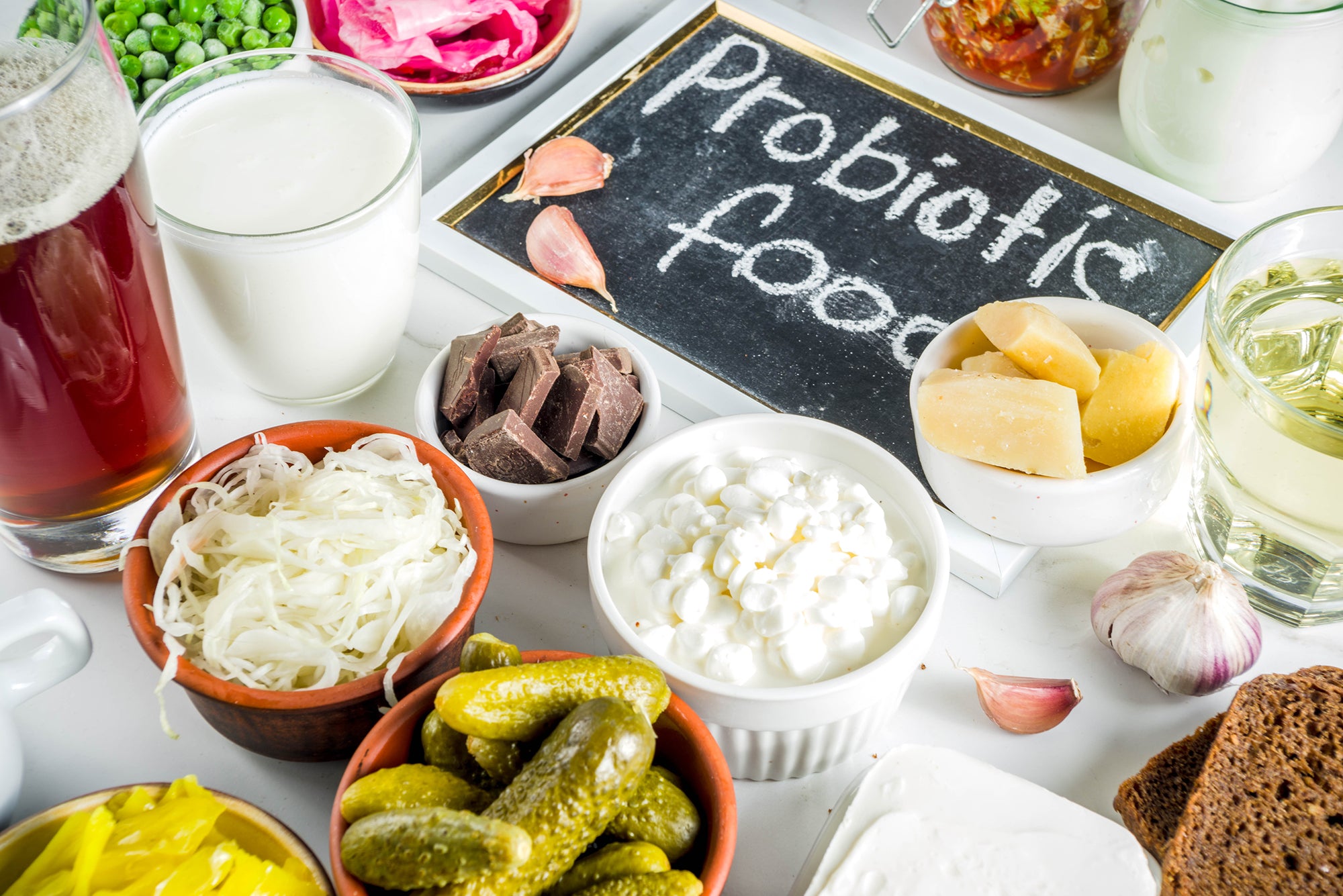
Fermented foods introduce living microbes, often called probiotics, which can complement your resident community and influence fermentation patterns in the colon. Classic options include yogurt, kefir, sauerkraut, kimchi, miso, and tempeh. These foods are created when beneficial bacteria or fungi partially break down sugars and starches, producing organic acids that shape flavor while supporting a friendly environment in the gut. Choose plain or minimally sweetened yogurt and kefir, and enjoy sauerkraut or kimchi in small daily servings as a zesty side. Add miso to warm (not boiling) broths to preserve delicate cultures, and use tempeh as a hearty protein in stir fries or salads. Consistency matters more than large portions; a modest serving most days can be a practical goal. Balance fermented foods with prebiotic fibers to give incoming microbes something to eat, creating a synergistic pattern that supports comfort, regularity, and microbial resilience.
Polyphenol Power
Colorful plants are rich in polyphenols, natural compounds that your microbes transform into metabolites with antioxidant and anti inflammatory effects. Berries, grapes, pomegranate, and dark cocoa offer dense polyphenol packages, as do herbs and spices like rosemary, oregano, thyme, turmeric, and ginger. Beverages such as tea and coffee contain polyphenols too, and extra virgin olive oil adds a flavorful dose alongside heart friendly fats. In the gut, polyphenols can act like a selective fertilizer, encouraging beneficial bacteria while moderating potentially problematic species. Build a weekly rhythm: berries over yogurt, a sprinkle of cocoa in oats, olive oil on leafy greens, and generous herbs on roasted vegetables or legumes. Aim for a rainbow of produce to widen your polyphenol spectrum, since different colors reflect different families of compounds. By pairing polyphenols with fiber rich foods, you create a powerful duo that feeds microbes and supports a calm, balanced digestive environment.
Resistant Starch
Resistant starch escapes digestion in the small intestine and becomes fuel for microbes in the colon, often boosting butyrate production. You can find it naturally in green bananas, legumes, and some whole grains. Cooking and cooling starchy foods like potatoes, rice, or pasta increases their resistant starch content through a process called retrogradation. Enjoy a cooled potato salad with olive oil and herbs, a rice and bean bowl chilled for tomorrow's lunch, or a pasta salad packed with vegetables. Reheating gently preserves much of the benefit. Resistant starch can help with satiety and support steadier energy, while promoting a gut environment that favors helpful bacteria. As with all fibers, increase intake gradually and watch hydration. If you bake, a small amount of green banana flour can add resistant starch to pancakes or muffins. Combining resistant starch with prebiotics, polyphenols, and fermented foods creates a comprehensive approach to microbiome nourishment.
Smart Fats and Protein
Your gut thrives when fats and proteins come from high quality, minimally processed sources. Emphasize omega 3 rich choices such as fatty fish, chia, flax, and walnuts, and cook with extra virgin olive oil to supply polyphenols alongside healthy fats. For protein, lean on legumes, tempeh, tofu, yogurt, and thoughtfully prepared poultry or fish. Pair proteins with ample fiber to slow digestion and give microbes more to work with. Herbs and spices add polyphenols without excess sodium or additives. Limit ultra processed meats and be mindful of additives like certain emulsifiers or artificial sweeteners, which may not agree with everyone's digestion. Gentle cooking methods and balanced plates help you feel energized rather than weighed down. A simple template works well: a fiber packed base, a quality protein, colorful vegetables, and a drizzle of olive oil, finished with citrus or herbs. This harmony of nutrients feeds you and your microbes at the same time.
Daily Habits
A gut friendly day starts with consistency. Build plates that are half vegetables and fruit, a quarter whole grains or starchy vegetables, and a quarter quality protein, with a small serving of fermented foods on the side. Include healthy fats, season generously with herbs, and drink water throughout the day to support fiber's work. Move your body, manage stress with simple practices like deep breathing, and aim for restful sleep, since the microbiome responds to your overall routine. Chew thoroughly and eat mindfully to reduce digestive strain. If you are making big changes, go slowly to give microbes time to adapt. Keep a rotation mindset: vary your beans, grains, fruits, and vegetables from week to week to promote diversity. Prep a few basics, like cooked legumes, whole grains, and chopped produce, so nutritious choices are easy. Over time, these small, repeatable habits create a steady rhythm that supports a calm, capable, and well nourished gut.