Hydration Made Easy: How to Drink Well Throughout the Day
Master simple, science-backed strategies to stay hydrated all day—what to drink, how much you need, and easy habits that actually stick.
Start With Morning Momentum
Waking up well-hydrated sets the tone for the entire day. After hours of sleep, the body benefits from a gentle refill that supports circulation, digestion, and mental clarity. Keep water within reach so the first sip is effortless. Many people find that pairing hydration with an existing routine — brushing teeth, stretching, or preparing breakfast — turns it into automatic habit stacking. Start with steady, comfortable sips rather than a rapid chug; this approach is kinder to the stomach and helps absorption. Temperature can matter too. Some prefer room-temperature water for easy drinking, others enjoy a cool, crisp sensation that feels invigorating. If flavor motivates you, a slice of citrus or a few mint leaves can add interest without added sugar. The key is consistency over volume heroics. By building a small morning ritual, you reduce decision fatigue later and keep hydration from becoming another task on a crowded to-do list.
Build a Daylong Hydration Rhythm
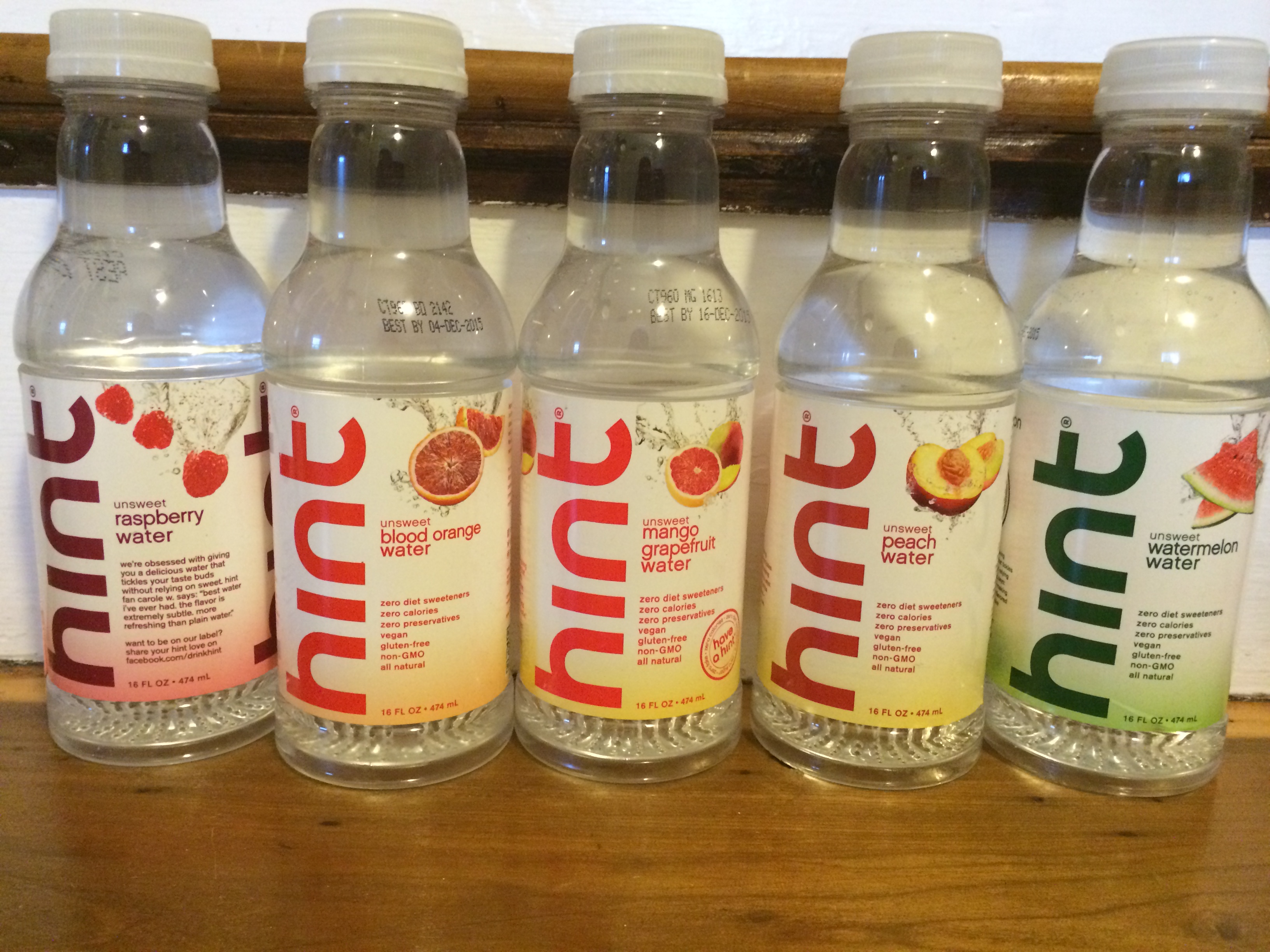
Hydration works best as a rhythm, not a rush. Instead of waiting until thirst becomes urgent, aim for steady sips that keep the body in balance. Pair drinking with natural cues — opening email, finishing a meeting, or taking a short movement break — to form an easy cadence. Variety helps, too. Plain water is foundational, but herbal teas, sparkling water, or lightly infused options can keep things interesting without overdoing added sweeteners. When activity or heat rises, consider beverages that include gentle electrolytes to support fluid balance. Caffeinated drinks can contribute to intake for many people, but be mindful of how they affect rest or bathroom frequency. Use simple biofeedback to guide your pace — the urine color check is practical, aiming for a pale hue that signals adequate hydration for most. Small, frequent sips reduce bloating and support comfort, while a reusable bottle within arm's reach makes meeting your goals feel natural and sustainable.
Eat Your Water
Food can be a powerful hydration ally. Many fruits and vegetables are naturally high in water and deliver fiber, potassium, and other micronutrients that help maintain electrolyte harmony. Build meals that feature water-rich choices — think cucumbers, lettuce, tomatoes, berries, citrus, melons, and soups with hearty vegetables. Snacking on crisp produce between meals adds refreshing fluid without feeling heavy. Smoothies made with yogurt or kefir can contribute both liquids and electrolytes, while oats or chia absorb water and create a satisfying texture. This approach complements drinking by slowing digestion slightly and promoting steady fluid availability throughout the day. Season foods thoughtfully; a pinch of salt in balanced meals can support fluid retention for active people, while herbs and spices add flavor without excess sugar. Combining protein, healthy fats, and complex carbohydrates helps stabilize energy, which can prevent mistaking fatigue for thirst. By literally eating your water, you diversify your hydration strategy and make wellness feel deliciously effortless.
Adapt To Your Environment And Activity
Hydration needs shift with weather, movement, and indoor climates. Heat, humidity, and intense workouts raise sweat loss, while altitude, air conditioning, and heated indoor air can also increase water demands more subtly. Plan ahead by pre-hydrating before strenuous activity, sipping during movement, and replenishing afterward with liquids and light electrolytes as needed. If you notice dry lips, a scratchy throat, or sluggish thinking, treat these as early thirst cues. Be aware of both underhydration and overhydration — rare but possible when large volumes of plain water dilute electrolytes. A practical tactic is to know your bottle's capacity and track refills without obsessing over exact numbers. Travel days, long meetings, and flights call for an extra focus on regular sips. On cooler days, warm beverages can encourage intake when cold water feels unappealing. Flexibility is the secret. Adjust your plan to conditions, listen to your body's signals, and make supportive choices before dehydration ever takes hold.
Make It Stick With Mindful Habits
Long-term success comes from habits you enjoy. Design your environment with visual cues — a filled bottle on the desk, a glass by the sink, or a carafe in the kitchen — so hydration is always one glance away. Add gentle accountability by sharing goals with a friend or using a tracker that celebrates progress without pressure. If plain water feels monotonous, try fruit and herb infusions, a splash of citrus, or a few ice cubes for satisfying texture and temperature contrast. Practice mindful sipping: pause, breathe, and notice how each sip refreshes you. This anchors the routine to a pleasant sensation, not a chore. Set realistic targets and taper slightly in the late evening if nighttime wake-ups are frequent, while prioritizing steady intake earlier. Celebrate consistency rather than perfection. Over time, these small, enjoyable behaviors fuse into a lifestyle where hydration supports mood, focus, skin feel, and overall health with minimal effort.