Investing 101: Turn Small Steps Into Long-Term Growth
Turn small, steady contributions into long-term wealth with automation, diversification, and disciplined habits that let compounding work.
Build Your Base First. Long-term investing begins with a sturdy foundation, because growth is easier when your day-to-day money life is stable. Start by building an emergency fund that can cover essential expenses, so you are not forced to sell investments during a downturn. Create a simple budget that shows income, bills, and flexible spending, and use the pay yourself first approach by automating transfers into savings and investments on payday. Tackle high-interest debt methodically, since interest working against you can overpower returns. Set up sinking funds for predictable costs like travel or car repairs, so those expenses do not derail your plan. Keep cash for near-term goals in a safe place, and reserve your investment accounts for goals with longer timelines. Above all, cultivate consistent habits. Small, repeatable actions like automating contributions and reviewing statements once a month add up. With the basics covered, you can invest more confidently and allow time and discipline to do the heavy lifting.
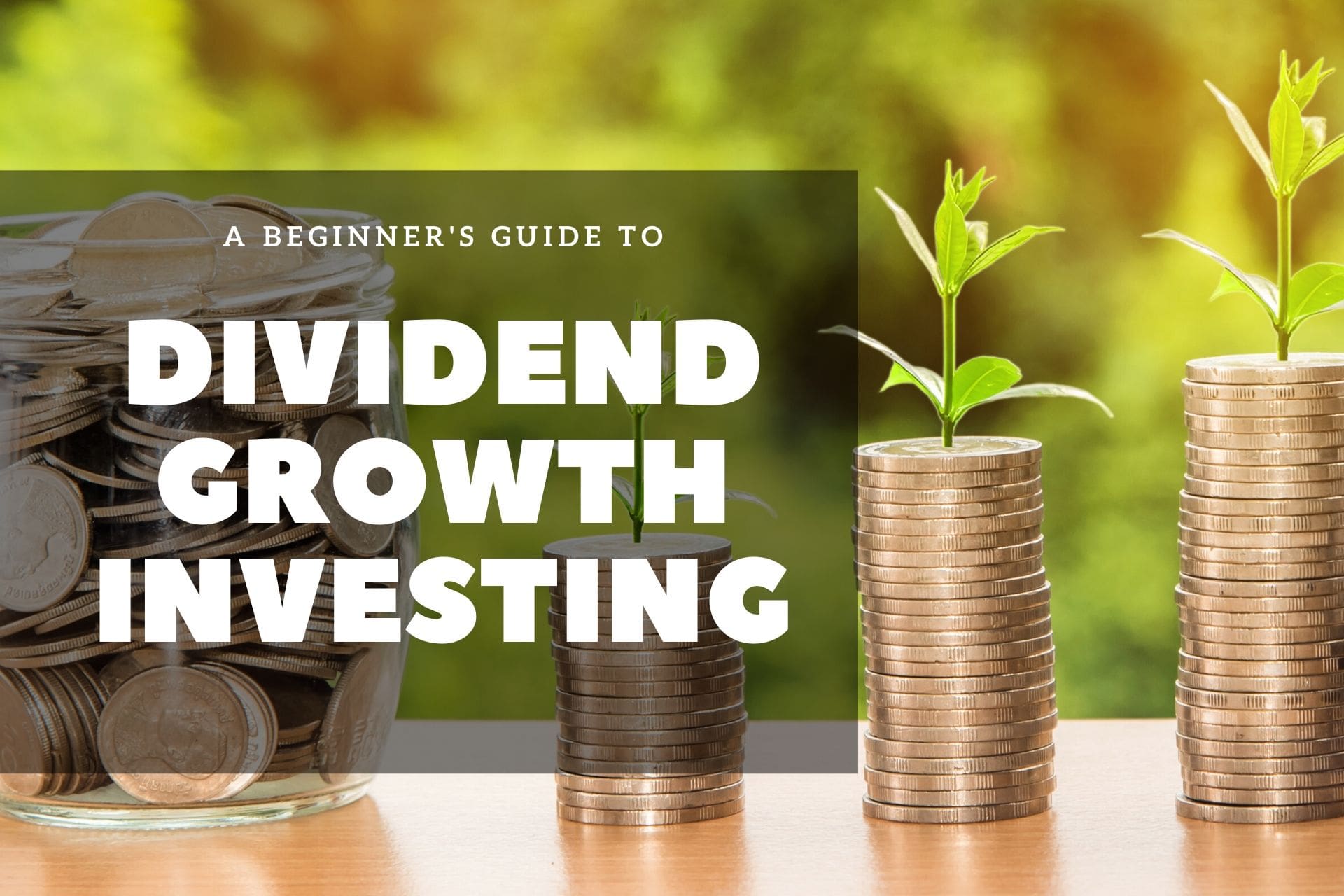
Let Compound Growth Work For You. The engine of long-term wealth is compound growth, where your money can earn returns on both your contributions and prior gains. Think of it as planting seeds that create more seeds, gradually accelerating the growth curve. This is why starting small and early matters more than waiting to invest a larger sum later. You can increase the impact by contributing regularly, even modest amounts, because each dollar gains more opportunities to compound. Reinvest dividends and interest rather than withdrawing them, and avoid frequent withdrawals that interrupt the snowball effect. Compounding rewards time in the market, not perfect timing, so focus on staying invested through normal market ups and downs. Celebrate incremental milestones, like hitting your first hundred or thousand, to reinforce progress. When you prioritize patience over impatience and process over prediction, compounding quietly transforms small steps into meaningful, long-term growth.
Match Risk To Your Time Horizon. Smart investing aligns risk tolerance and time horizon. For goals many years away, you can usually accept more short-term swings in pursuit of higher expected returns. For near-term goals, it is prudent to reduce volatility so that market dips do not jeopardize plans. Construct an asset allocation that blends growth-oriented investments with steadier holdings, based on when you will need the money and how you feel about fluctuations. A balanced portfolio can include stocks for growth, bonds for stability and income, and cash equivalents for ultra-short needs. Your personal mix should let you sleep at night while still advancing long-term objectives. Revisit your allocation as milestones approach, gradually tilting toward safety for funds you will spend soon. The point is not to avoid risk, but to use risk intentionally. By aligning what you own with when you need it, you give each dollar the best chance to do its job.
Diversify And Keep Costs Low. Diversification spreads risk across asset classes, sectors, and regions, so that no single setback defines your results. A broad mix reduces the impact of surprises and allows different parts of your portfolio to lead at different times. Favor simple, well-diversified building blocks over complicated bets. Pay close attention to fees, because even small ongoing costs can erode returns when compounded over time. Prioritize low-cost options and be mindful of trading frequency, which can add transaction costs and invite emotional mistakes. Where available and appropriate, consider tax-aware approaches to reduce tax drag on returns, such as holding less tax-efficient assets in more sheltered accounts. Simplicity is a strategy, not a compromise. A few diversified holdings, clear rules, and consistent contributions can outperform a complex setup riddled with frictions. By keeping choices broad, costs low, and turnover modest, you let more of your money work for you.
Automate And Dollar-Cost Average. Consistency beats intensity in personal finance, and automation is the easiest way to stay consistent. Set up recurring transfers into your investment accounts so saving happens before you see the cash. Use dollar-cost averaging to invest the same amount at regular intervals, which naturally buys more shares when prices dip and fewer when prices rise. This approach removes guesswork, lowers the emotional stakes, and helps you avoid the trap of trying to time markets. Periodically increase your contribution rate, such as after a raise or once a debt is cleared, to accelerate progress without feeling deprived. Automate reinvested dividends, and schedule reminders for periodic check-ins rather than reacting to every headline. Treat your plan like a subscription to your future self. When the system runs quietly in the background, you free your mind to focus on career, family, and health while your investments compound.
Monitor, Rebalance, And Adapt. A good plan is living, not static. Conduct periodic portfolio reviews to ensure your holdings still match your goals, risk tolerance, and timeline. Markets move, so your allocation will drift; use rebalancing to nudge it back, either on a set schedule or when weights move beyond chosen bands. Rebalancing systematically sells what has outpaced and adds to what has lagged, reinforcing buy low and sell high behavior. Avoid excessive tinkering; discipline matters more than constant activity. Adapt as life evolves. Big changes like a new job, a home purchase, or a growing family can shift priorities and cash flow, prompting adjustments to savings rates, insurance, and time horizons. Document your approach in a simple investment policy that outlines goals, target allocation, contribution cadence, and rules for changes. When you evaluate decisions against a written plan, you reduce stress, curb impulsive moves, and keep attention on what truly drives long-term results.
Stay The Course And Protect Yourself. Long-term success is as much about behavior as it is about math. Commit to staying the course through normal volatility, tuning out fads and noise that tempt you to chase performance. Build guardrails that shield you from your own impulses, like waiting periods before making changes or predefined checklists. Strengthen financial resilience with adequate insurance, an updated emergency fund, and diversified income streams if possible. Practice good security hygiene by using strong passwords, enabling account alerts, and keeping records organized. Be skeptical of anything promising guaranteed riches or zero risk. Develop simple mental models for decision making, such as Does this choice align with my goals, timeline, and plan. Celebrate progress to stay motivated, and remember that setbacks are part of the journey. By protecting the downside, trusting your process, and allowing time to compound your efforts, you transform small, steady steps into durable, long-term growth.