Live Show Etiquette: Getting the Most from Concerts and Theater
From arrival to encore, learn the unspoken rules that make concerts and theater better for everyone—so you see more, hear more, and enjoy more.
Mindset and Preparation: Live entertainment begins long before the lights dim. Build a smooth night by planning ahead: confirm tickets, check the venue neighborhood, and note transport options or parking rules. Choose comfortable attire that fits the setting and lets you move freely, from a crowded floor at a concert to a formal theater seat. Pack light with essentials like ID, a small wallet, and a layer for changing temperatures. Hydrate and eat beforehand so you can focus on the performance rather than hunger. Read posted house rules to avoid surprises about bags, photography, or late seating. Aim to arrive early to find your seat, settle in, and scan the program. If you need accessibility accommodations, contact the venue in advance so staff can assist without rush. Most importantly, adopt a respectful mindset: you are sharing space with artists and fellow fans. Your preparation is not just for comfort; it is part of honoring the craft of live entertainment.
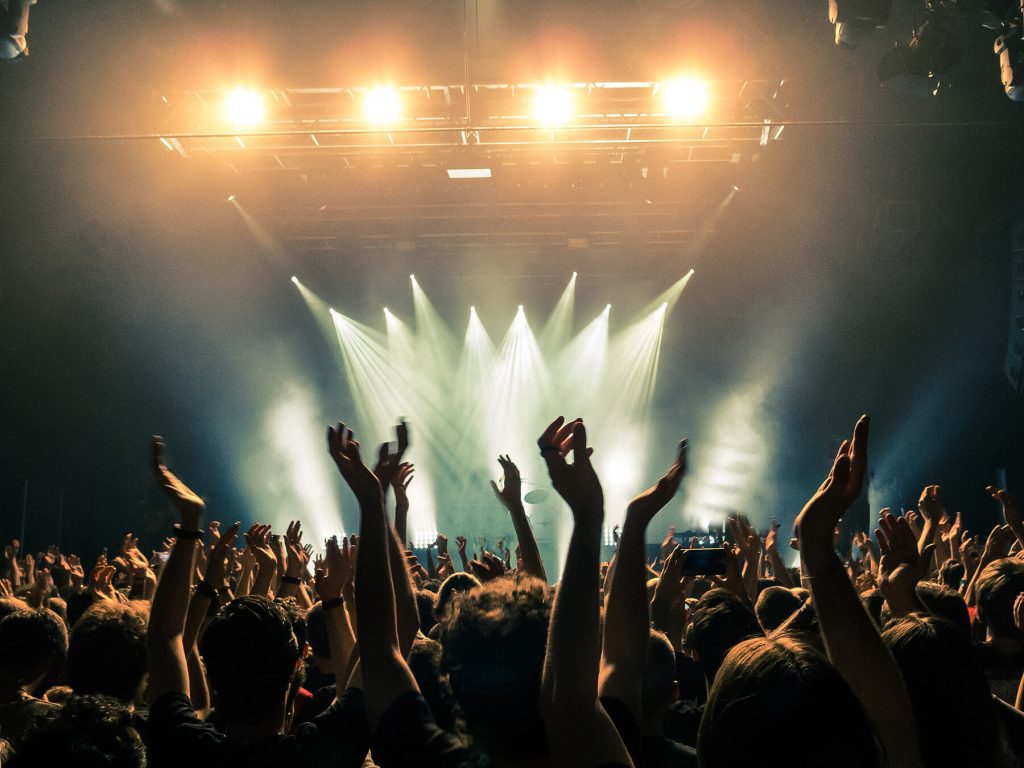
Seating, Sightlines, and Space: Great experiences hinge on respecting sightlines. If you have a hat or high hairstyle, consider removing or adjusting it when seated. Avoid leaning far forward, holding signs aloft, or waving arms in a way that blocks views. In standing sections, keep an eye on personal space by wearing your bag in front and minimizing jostling. If you are tall, offer to step slightly back so shorter attendees can see; if you are shorter, look for sightline corridors rather than pushing ahead. Keep aisles clear for safety and staff. In theaters, sit straight and plant your feet firmly rather than on the chair in front. Store bulky items at the coat check or under your seat without spilling into neighbors legroom. If a seat swap can help a family sit together, consider a courteous exchange. Small gestures create a chain of goodwill that improves the show for everyone.
Sound, Silence, and Applause: Sound is the heartbeat of concerts and theater, so treat it with care. Always silence your phone and disable vibrations that might buzz during a quiet passage. Unwrap cough drops and snacks before the performance to avoid crinkling at tender moments. Save conversations for intermission; whisper only when absolutely necessary and keep it brief. At concerts, sing along when the atmosphere invites it, but avoid overpowering those around you or the performer. In theaters, resist calling out unless audience participation is explicitly welcomed. Time your applause thoughtfully: after a big solo, at the end of a number, or when the curtain falls. A well-earned ovation should be enthusiastic yet safe, with clear exits for performers. If you cough, cover and lean away, or step out if needed. Protecting the soundscape respects the artists, the technicians crafting the mix, and every listener who came to be immersed rather than distracted.
Phones, Photos, and Recording: Technology can enhance memories but easily disrupts shared focus. Follow the venue's house policy on photography and recording; many prohibit video during plays and limit it at concerts. If photos are allowed, use no flash, keep screen brightness low, and capture a few quick shots rather than filming entire songs. Consider airplane mode to prevent calls and notifications from lighting up in the dark. Hold your device at eye level, not above your head, and avoid blocking others with constant screens. When in doubt, practice digital minimalism: take a mental snapshot and return your attention to the stage. Posting later is fine, but do not spoil surprises or reveal plot twists to future audiences. Remember that crews design light and sound with precise timing; stray screens and flashes can interfere. By keeping tech in check, you protect the mood, let performers command the moment, and come away with memories that feel vivid and undiluted.
Interaction with Performers and Staff: Live shows thrive on connection, yet that connection is guided by boundaries. During concerts, cheer and respond when prompted, but do not throw objects onstage or attempt to touch performers. In theater, avoid calling out to actors unless the production invites it. Treat ushers and all staff with courtesy; they manage safety, seating, and timing so the night flows. If a problem arises, approach staff calmly rather than confronting other patrons yourself. After the show, stage door moments can be magical, but be patient, keep the path clear, and respect time limits for autographs or photos. If you have a request for a song or an accessibility need, ask respectfully and accept the answer. Support the ecosystem by buying merchandise or programs rather than pressuring artists for extras. Remember, every person in the venue, from box office to spotlight operator, contributes to the art you love. Honor that work with gratitude and grace.
Sharing the Experience with Others: A powerful evening is built on consideration. Keep chatter to a minimum and whisper only when essential, especially during quiet scenes or introspective solos. If you attend with friends, agree on hand signals for bathroom breaks or drink runs rather than mid-show debates. With children or first-time attendees, set expectations: explain applause cues, phone rules, and when to ask questions. Be open to inclusive behavior, like helping a neighbor read a program note or pointing out where supertitles appear. If someone needs your seat for accessibility or family reasons, consider polite seat swaps coordinated by staff. Address disruptions with kindness: a gentle tap and a soft request go further than scolding. Share snacks discreetly and avoid strong fragrances that can distract. Remember that laughter, gasps, and collective awe are part of the magic, but excessive commentary is not. The best audience members harmonize with the room, amplifying joy without drowning it out.
After the Curtain: The show does not end when the lights rise. Practice orderly exits by following usher directions, stacking cups and disposing of trash, and giving space to those retrieving mobility devices. Be patient at merch stands and bars, allowing artists to engage without crowding. Offer feedback thoughtfully: a warm thank you to staff, a kind note to the company, or a balanced review that praises specifics and suggests improvements respectfully. If you post on social platforms, keep spoilers labeled and celebrate the craft rather than criticizing fellow patrons. Plan safe travel home, keeping an eye on safety in crowds and public transit. Continue the experience by exploring cast recordings, playlists, or companion readings, then book your next outing to support artists and local venues. Live entertainment builds community; show up for it with generosity, return with friends, and let each curtain call remind you that shared attention is a rare and beautiful gift.