Meal Planning Without the Stress
Make dinner easier with a flexible, budget-friendly meal plan: shop smarter, batch-cook basics, mix-and-match menus, and actually enjoy weeknights.
Start With a Simple Framework
A calm approach to meal planning begins with a small, repeatable routine that fits your lifestyle. Spend a focused 10 minutes looking at your calendar, noting busy evenings and relaxed ones. Choose three or four anchor dinners and repeat simple breakfasts and lunches to reduce decisions. Use a flexible framework like the plate method — plenty of colorful produce, a steady source of protein, and a smart carbohydrate — to guide choices without rigid rules. Add one batch-friendly recipe that can become two different meals later in the week. Map meals to days based on energy levels rather than ambition: save the new recipe for a spacious night, and keep quick options for hectic ones. Build in one buffer night with leftovers or a snack board so plans can breathe. Keep a short list of family favorites that always work. Most importantly, set a good-enough standard. The goal is a steady rhythm that supports your lifestyle, not perfection.
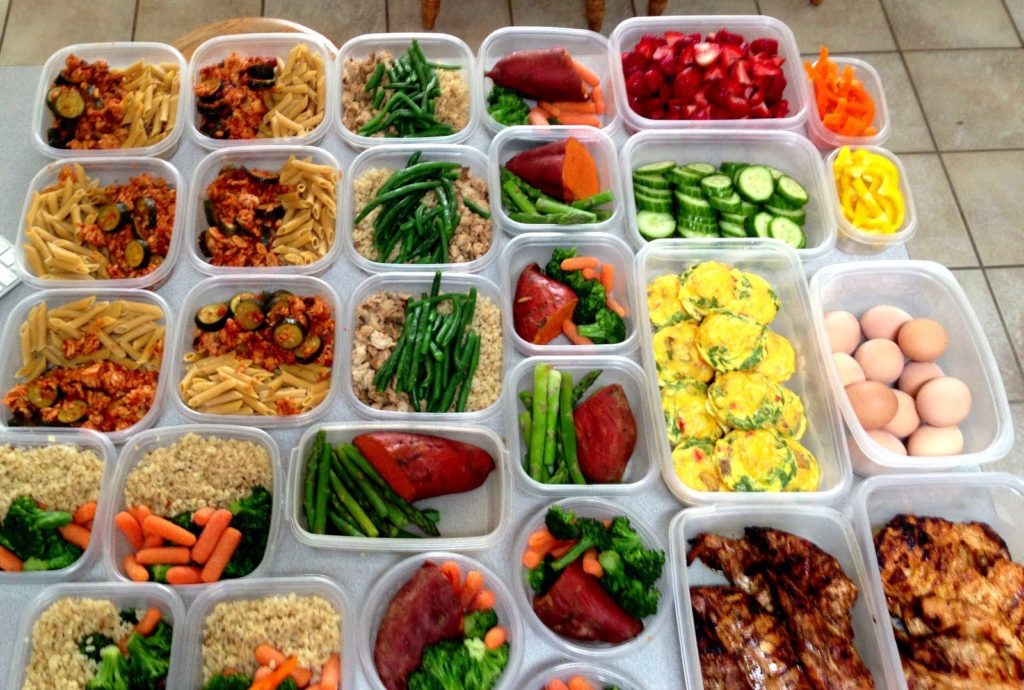
Shop Smart and Stock the Essentials
A stress-free plan starts with a reliable set of pantry staples and a simple shopping list organized by store zones. Do a quick inventory check before shopping so you buy what you will truly use. Stock versatile items that mix and match: canned tomatoes, beans, broth, coconut milk, tuna, whole grains, pasta, and tortillas. Add proteins like eggs, tofu, chicken thighs, and salmon, plus frozen vegetables and fruit for easy backups. Keep a few flavor boosters on hand — olive oil, vinegars, mustards, soy sauce, nut butters, and a handful of favorite spices. Buy produce that multitasks across meals, like leafy greens, carrots, onions, peppers, and citrus. Label freezer items with contents and date, rotate using first in first out, and decant bulk goods into clear containers to spot what is low. This approach is budget-friendly, supports waste reduction, and keeps you nimble when plans change. With the right base, nearly any combination can become dinner.
Batch, Prep, and Pivot
Use short prep sessions to make busy days easier. Roast a tray of mixed vegetables, cook a pot of grains, and prepare a flexible protein such as shredded chicken, lentils, or baked tofu. Blend a simple sauce — pesto, tahini, or salsa verde — to tie meals together. These building blocks let you pivot: bowls one night, tacos the next, and hearty salads after that. Treat leftovers as planned-overs, intentionally cooking a bit extra to transform later. Portion soups or stews into freezer-friendly containers so you always have a safety net. Keep grab-and-go elements like washed greens, chopped herbs, and a jar of pickled onions ready to add brightness fast. Aim for a single hour of batch cooking once or twice a week, then relax on hectic days by assembling rather than starting from scratch. This mix of foresight and flexibility is a major time-saving strategy that keeps quality high without demanding daily effort.
Flavor Without the Fuss
Great taste does not require complicated techniques. Rely on flavor boosters that work across cuisines: fresh herbs, citrus, garlic, ginger, chili flakes, and a finishing drizzle of good oil. Balance the essentials — acid, salt, fat, heat, and a hint of sweet — to make simple ingredients shine. Create a few house sauces to rotate: yogurt herb, citrus tahini, chili honey, or a quick pan sauce from browned bits and broth. Keep a small toolkit of herbs and spices you love, and layer them simply. Choose cooking methods that concentrate flavor with minimal cleanup, like sheet-pan roasts, one-pot stews, and quick skillet sears. Add umami with mushrooms, miso, tomato paste, or Parmesan, and finish with texture contrast such as toasted nuts, seeds, or crunchy veggies. When flavor is easy, you will cook more often, waste less, and enjoy balanced meals that feel restaurant-worthy without the stress.
Stay Flexible and Reduce Decision Fatigue
A plan that bends will not break. Expect curveballs and design contingency plans: keep a few low-effort meals ready, like eggs with greens, quesadillas, tuna salads, or frozen soup with toast. Build a swap-friendly schedule by categorizing nights — pasta, grain bowls, or soup — so any dish in that category can slide in. Use a small board or notes app with a shortlist of options under each category, ordered by how much energy they require. On hectic evenings, pick from the low-energy column and call it done. Simplify choices with a rule of repetition for breakfasts and lunches, and let dinner be the creative outlet. Give yourself permission to rely on semi-prepped items when needed. The aim is lower decision fatigue, not culinary perfection. When plans change, pivot without guilt. Progress over consistency is still progress, and a satisfying, simple meal always beats an elaborate idea that never happens.
Make It a Lifestyle You Enjoy
Sustainable meal planning feels like support, not a chore. Involve your household by letting everyone choose a favorite category, then rotate picks. Turn small rituals into motivation — a playlist while you prep, a tidy counter, a candle at dinner, or a quick gratitude moment before eating. Practice mindful eating by pausing to notice color, aroma, and texture; you will naturally lean toward balanced portions and satisfying flavors. Keep a rotating list of seasonal produce you love to keep meals fresh over time. Use habit stacking: plan right after you make coffee, defrost while packing lunch, and clean as you cook. Track a simple wins list rather than strict metrics; celebrate fewer takeout nights, lighter food waste, or calmer evenings. The goal is consistency over perfection, supported by sustainable habits and a friendly structure. When the process is enjoyable, it becomes part of your lifestyle, reducing stress and nourishing both body and mind.