The Art of Simple Home Decor: Cozy Without Clutter
Discover how to balance warmth and minimalism at home—practical tips for decluttering, layering textures, and styling spaces that feel calm and cozy.
Less, But Loved
Simple home decor begins with intentionality, a lifestyle choice to surround yourself with fewer, better things so your space feels cozy without sliding into chaos. Start by defining how you want each room to serve you: restoration, focus, or connection. Let that purpose guide every decision, from seating to scent. Embrace negative space as an active design tool; emptier corners give your eyes a place to rest and make treasured items stand out. Choose a handful of focal points—a textured rug, a sculptural lamp, a beloved artwork—and allow them to sing. Rather than chasing trends, cultivate a comfort vocabulary rooted in your senses: plush underfoot, warm light at dusk, a quiet color echo between rooms. Prioritize quality materials and honest finishes that age with grace. The goal is not sterile perfection, but a lived-in elegance where every piece earns its keep and every absence creates calm.
Declutter With Compassion
A peaceful home grows from compassionate decluttering, not punishment or pressure. Treat editing as a conversation with your life today, honoring what supported you in the past while making room for who you are becoming. Work in focused zones, setting gentle time blocks and realistic outcomes. Sort into clear categories—keep, donate, recycle, repair—and create an exit path so unwanted items actually leave your home. Replace guilt with gratitude; a tool that served you has already done its job. Establish containment boundaries, like a single basket for throws or a defined shelf for mugs, and let those limits guide future choices. Store sentimental keepsakes with intention in a small memory box instead of across every surface. Aim for flow over emptiness, choosing storage that's easy to use and visually light. With each round of letting go, your rooms gain energy, your routines simplify, and your decor breathes as if the walls themselves just exhaled.
Warmth Through Texture
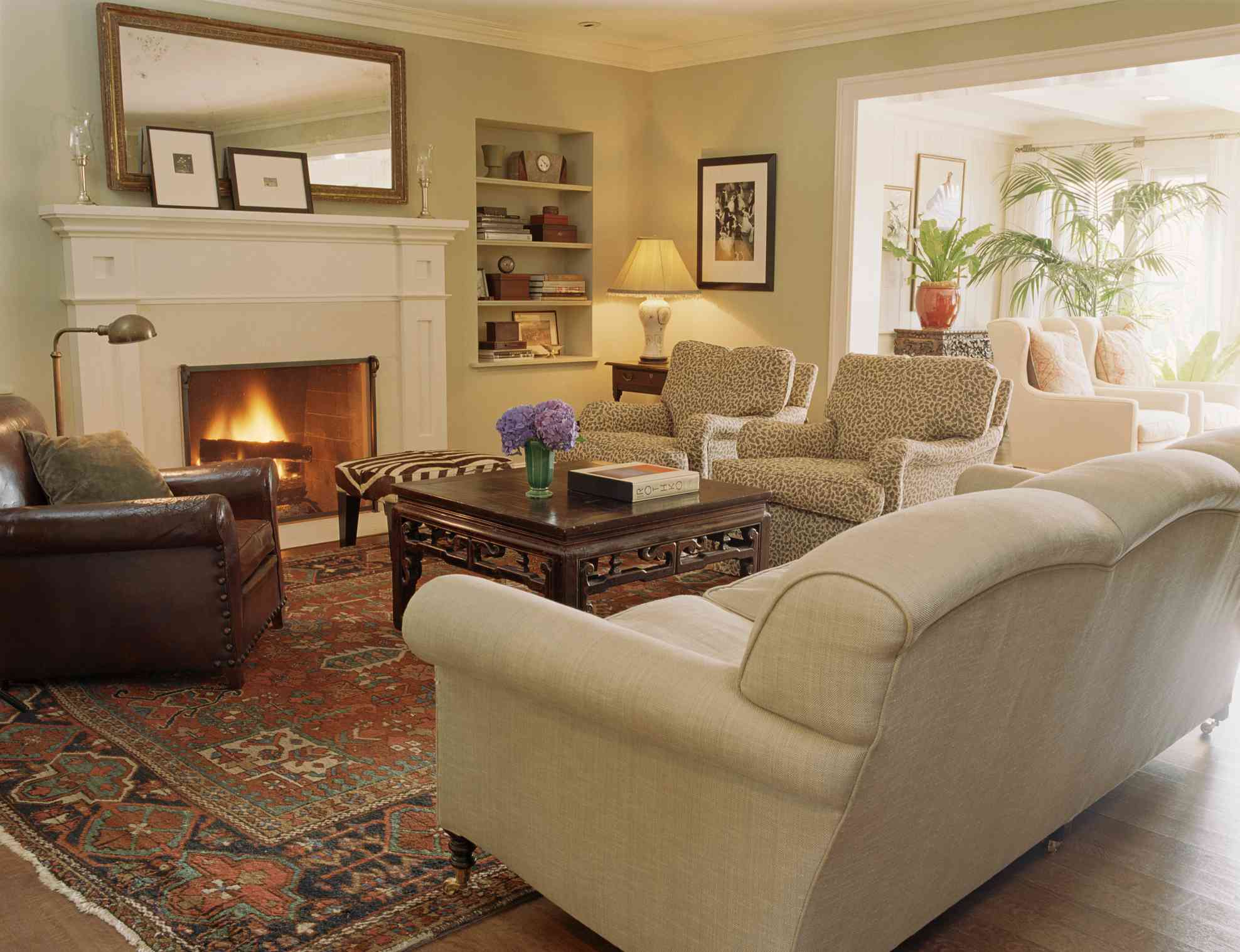
When you streamline objects, texture becomes the star that delivers warmth. Think in layers: a nubby wool throw over a crisp cotton duvet, a jute or sisal rug grounding smooth wood floors, a hand-thrown ceramic vase beside a soft linen shade. This tactile contrast brings life to neutral palettes without adding visual clutter. Mix natural fibers—linen, wool, rattan, leather—with a few sleek surfaces like matte metal or honed stone so the room feels grounded yet refined. Use drapery to soften hard edges and quiet echo; even light, unlined linen panels can add significant coziness. Keep patterns restrained and purposeful, choosing subtle weaves or small-scale motifs that read as texture from a distance. In seating areas, layer cushions in varied fabrics but united by a cohesive palette. The magic lies in layering without piling: a few strategic textural moves can make a minimalist room feel nuanced, inviting, and unmistakably human.
Color That Breathes
Color sets the emotional temperature of your home, and simplicity thrives on a harmonious palette. Start with warm neutrals that echo natural materials—think sand, oatmeal, soft clay, or gentle mushroom—then add soothing earth tones or nature-inspired hues as accents. Aim for a dominant base, a supportive secondary shade, and a delicate pop for cohesion that carries from room to room. Pay attention to undertones; a paint that skews cool might mute your wood tones, while a warmer choice can make textiles feel richer. Test colors on different walls and observe them from morning to evening, noticing how light shifts the mood. If your art or rug is bold, let surrounding colors whisper. Houseplants and branches can serve as living accents, adding a fresh, renewing note without fuss. When your palette breathes, your decor needs fewer objects to feel complete, and the whole home reads as one calm, welcoming story.
Furniture That Works Hard
In a clutter-free home, furnishings should carry their weight with function, proportion, and visual lightness. Choose multifunctional pieces—a storage ottoman that hides blankets, a bench with baskets, nesting tables that appear only when needed. Mind scale; oversized sofas suffocate small rooms, while too-tiny pieces feel adrift. Favor leggy silhouettes and open bases that let light travel under and around, keeping sightlines clear. Organize seating for conversation and flow, not just for television viewing, and float furniture off walls to create pockets of intimacy. Consider wall-mounted shelves to lift storage and maintain airy floors. Use a single, generously sized rug to anchor a zone rather than scattering many small ones. Edit silhouettes so lines are clean and shapes repeat, creating calm through subtle rhythm. When each item earns its place, your room becomes quietly efficient, deeply comfortable, and genuinely ready to support everyday living without crowding your mind.
Light, Layers, and Glow
Cozy simplicity relies on lighting layers that shape mood and function: ambient to fill, task to focus, accent to highlight. Combine ceiling fixtures with floor and table lamps so light originates at multiple heights, softening shadows and wrapping the room in a gentle glow. Choose warm bulb tones for rest zones and crisper ones for work areas, aiming for a consistent feel across rooms. Add dimming options wherever possible to modulate energy from lively gatherings to quiet evenings. Reflective elements—satin finishes, pale walls, a discreet mirror—amplify available light without shouting. Prioritize lampshades in natural materials to diffuse brightness like a soft filter. Sheer window treatments invite daylight while maintaining privacy, and a quick habit of opening them anchors a daily rhythm. Thoughtful lighting reduces the need for extra decor, since the play of shadow, sheen, and focus becomes its own design feature, turning simplicity into atmosphere.
Personality Without Piles
Minimalism does not mean emptiness; it means curation. Showcase your story through fewer, more meaningful pieces arranged with breathing room. Instead of crowding shelves, create small vignettes that balance height, texture, and shape—think a ceramic vessel, a favorite book, and a branch in a simple tray. Use the rule of three or odd numbers for visual ease, and let negative space frame each grouping. Rotate treasures seasonally or by mood; storage is a tool for freshness, not a banishment. Hang art at eye level and consider larger mats or a single statement piece to reduce visual noise. Corral loose items on surfaces—keys in a dish, remotes in a box—so tabletops stay intentional. Let color accents echo across rooms for unity, and lean on organic materials to keep displays grounded. With careful editing, your home feels personal yet open, a place where each object speaks and none has to shout.
Daily Rituals, Lasting Calm
A serene home is sustained by tidy habits rather than marathon cleanups. Build small rituals that fit your lifestyle: a five-minute evening reset, a weekly surface sweep, a monthly closet edit. Create landing zones—a tray by the door, hooks for bags, a basket for mail—so items have automatic homes. Choose storage with low friction: lids that lift easily, drawers that glide, bins sized to the job. Practice a simple one-in, one-out policy for categories prone to ballooning, like throw pillows or mugs. Embrace slow decorating, letting empty spaces teach you what's truly missing before you buy. Keep a donation bag accessible and drop items in as decisions arise. Most importantly, measure success by ease and comfort, not perfection. When rituals support your days, your home remains cozy without clutter, evolving naturally with your needs and offering the enduring calm that turns rooms into a refuge.